Integrating the Mahjong Decorative Font into Your Creative Workflow
In the crowded landscape of digital design, typography serves as more than just a vessel for information; it is a primary driver of brand identity and visual communication. For designers, marketers, and content creators, selecting the right typeface is a critical decision that impacts everything from user engagement to brand recall. Mahjong emerges in this context not merely as a font, but as a strategic design asset. Described as a stunning decorative font, it offers a distinct aesthetic that bridges the gap between traditional elegance and modern versatility. Understanding how to effectively integrate Mahjong into your broader creative processes can elevate logos, branding materials, social media graphics, and DIY projects.
Understanding the Aesthetic and Functional Role of Mahjong
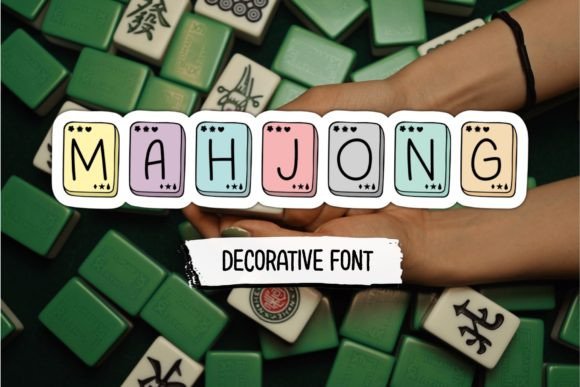
Before implementing any new typographic element, it is essential to understand its core characteristics. Mahjong is designed with a decorative flair that suggests sophistication and cultural richness. Unlike utilitarian sans-serif fonts intended for long-form body text, Mahjong thrives in display roles. Its structure allows it to command attention, making it ideal for headlines, logos, and short bursts of text where visual impact is paramount.
The font’s "lovely" nature, as often described by users, stems from its balanced proportions and intricate details. This makes it particularly suitable for industries that value aesthetics, such as fashion, hospitality, wellness, and artisanal crafts. When you choose Mahjong, you are not just picking letters; you are selecting a tone. It communicates warmth, tradition, and a touch of luxury. Recognizing this tonal alignment is the first step in effective workflow integration. If your project requires a sterile, corporate feel, Mahjong may not be the right fit. However, for brands aiming to connect on an emotional or cultural level, it provides a robust foundation.
Strategic Placement in Branding and Logo Design
Logo design is often the initial phase of a brand’s visual journey. Here, Mahjong can serve as the cornerstone of your identity system. Because decorative fonts can sometimes lack legibility at smaller sizes, the implementation process requires careful planning. Start by using Mahjong for the primary logotype or specific brand initials. Test its scalability early in the design process. Does it remain recognizable when scaled down for a favicon or a social media profile picture? If not, consider pairing it with a simpler, complementary sans-serif font for secondary applications.
During the branding phase, consistency is key. Once you establish Mahjong as your primary display font, document its usage guidelines. Define clear rules for spacing, color combinations, and minimum size requirements. This documentation becomes a crucial resource for your team, ensuring that every subsequent asset—from business cards to website headers—maintains visual coherence. By treating the font as a structured component of your brand kit rather than an afterthought, you streamline future design tasks and reduce the need for repetitive revisions.
Enhancing Social Media and Digital Marketing Assets
In the fast-paced environment of social media marketing, visual distinctiveness is currency. Mahjong fits seamlessly into the content creation workflow for platforms like Instagram, Pinterest, and Facebook. Its decorative nature makes it perfect for quote graphics, event announcements, and promotional banners. However, integrating it into a high-volume content calendar requires efficiency.
To maintain productivity, create reusable templates in your preferred design software (such as Adobe Photoshop, Illustrator, or Canva) that feature Mahjong prominently. Pre-set your font sizes, line heights, and color palettes. This preparation allows you to swap out text quickly without adjusting typography settings for every post. Furthermore, consider the interaction between Mahjong and background imagery. Since decorative fonts have complex shapes, they perform best against clean, uncluttered backgrounds. Use negative space strategically to ensure the text remains the focal point. This approach not only enhances readability but also reinforces the premium feel of the font.
Application in Crafty DIY Projects and Physical Products
Beyond digital screens, Mahjong extends its utility to physical mediums. For entrepreneurs involved in print-on-demand services, Etsy shops, or local craft markets, this font offers significant value. It is particularly effective for products that emphasize personalization and handmade quality, such as wedding invitations, custom mugs, tote bags, and home decor items.
When preparing files for print, technical compatibility becomes a priority. Ensure that you are using the correct file formats (such as OTF or TTF) and that your design software embeds the font properly to avoid substitution errors during printing. Pay attention to kerning—the space between individual characters. Decorative fonts often require manual adjustment to achieve optimal visual balance, especially in large-format prints like posters or signage. Taking the time to refine these details during the pre-production phase prevents costly mistakes and ensures the final product reflects the high quality associated with the Mahjong aesthetic.
Workflow Integration and Technical Considerations
Successfully adopting Mahjong into your routine involves more than just installation; it requires thoughtful organization within your digital asset management system. Store the font files in a centralized, backed-up location accessible to all relevant team members. Label versions clearly if updates are released. This organizational habit saves time during project onboarding and ensures that everyone is working with the same resources.
Compatibility is another practical factor. Verify that Mahjong renders correctly across different operating systems and web browsers if used in digital products. For web use, consider converting the font to web-friendly formats like WOFF or WOFF2. This step optimizes loading speeds and ensures consistent display for your audience. Additionally, always check licensing agreements. Understanding whether your license covers commercial use, web embedding, or modification rights is crucial for legal compliance and risk management in professional workflows.
Pairing Mahjong with Complementary Typefaces
A common challenge when using decorative fonts is creating harmony within a layout. Mahjong should rarely stand alone in complex documents. Instead, pair it with neutral, highly legible typefaces for body text. Classic sans-serifs like Helvetica, Open Sans, or Lato provide a clean contrast that allows Mahjong to shine without overwhelming the reader. This hierarchy guides the viewer’s eye naturally from the headline to the supporting information.
When experimenting with pairings, focus on contrast in weight and style. Since Mahjong has a distinct personality, the accompanying font should recede into the background. Avoid pairing it with other decorative or script fonts, as this can create visual clutter and reduce readability. By establishing a clear typographic hierarchy, you enhance the overall user experience and maintain professional standards in your designs.
Long-Term Value and Brand Consistency
Investing time in mastering a specific font like Mahjong yields long-term benefits. As you become familiar with its nuances, your design speed increases. You develop an intuition for how it behaves in different contexts, allowing for quicker decision-making during creative processes. This expertise contributes to a cohesive brand narrative over time. Customers begin to associate the unique look of Mahjong with your brand, reinforcing recognition and trust.
Regularly audit your existing assets to ensure continued adherence to your typographic standards. As your brand evolves, you may find new applications for Mahjong that were not initially apparent. Stay open to experimenting with new layouts and color schemes while maintaining the core integrity of the font. This balance between consistency and innovation keeps your visual identity fresh and engaging.
In conclusion, Mahjong is more than a decorative element; it is a versatile tool that, when integrated thoughtfully, enhances the quality and effectiveness of your creative output. By understanding its strengths, planning its application across digital and physical mediums, and maintaining rigorous organizational standards, you can leverage this font to achieve professional, polished results in your branding, marketing, and design projects.