Integrating Signature Authentic into Your Creative Workflow
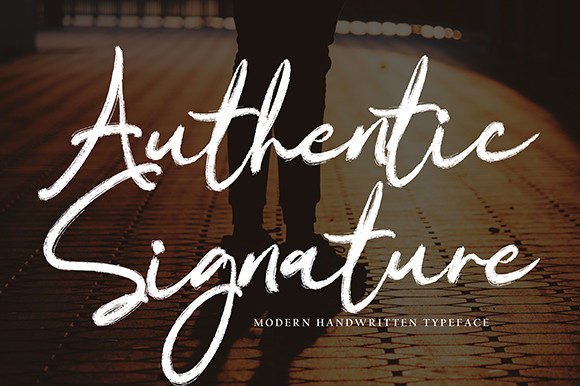
In the landscape of modern digital design, typography serves as more than just a vessel for information; it is the primary vehicle for tone, personality, and brand identity. For professionals ranging from freelance graphic designers to small business owners, selecting the right typeface is a critical decision that impacts user engagement and perceived value. Signature Authentic emerges as a compelling solution in this space, offering a stylish and modern handwritten brush aesthetic that bridges the gap between organic human touch and digital precision. Understanding how to effectively integrate this font into your broader creative process requires more than just installation; it demands a strategic approach to placement, pairing, and consistency.
Understanding the Role of Handwritten Typography in Professional Design
Before implementing any new asset, it is essential to understand its functional role within a project. Handwritten brush fonts like Signature Authentic are rarely suitable for long-form body text due to readability constraints at smaller sizes. Instead, their strength lies in their ability to convey immediacy, warmth, and artisanal quality. They function best as accent elements—headers, logos, call-to-action buttons, or short quotations.
When planning a design project, consider where the human element is missing. Corporate templates often feel sterile. By introducing Signature Authentic, you inject a layer of authenticity that resonates with audiences seeking genuine connections. This is particularly relevant for lifestyle brands, wellness coaches, boutique retailers, and creative entrepreneurs who rely on personal branding. The font does not merely decorate; it communicates a specific ethos of approachability and modern elegance.
Pre-Production: Preparation and Compatibility Checks
Successful integration begins before you open your design software. The preparation phase involves assessing technical compatibility and defining the visual hierarchy of your project.
- Software Compatibility: Ensure that Signature Authentic is compatible with your primary tools, whether that is Adobe Photoshop, Illustrator, InDesign, or web-based platforms like Canva and Figma. Most modern OpenType fonts work seamlessly across these environments, but verifying license permissions for commercial use is a crucial early step.
- Project Scope Definition: Determine if the font will be used for print, web, or social media. Each medium has different resolution and rendering requirements. For web use, you must consider load times and fallback fonts. For print, you need to ensure the vector paths are clean to avoid jagged edges at large scales.
- Mood Boarding: Place Signature Authentic alongside your chosen color palette and imagery during the conceptual phase. Does the brush stroke weight complement the photography style? Does the curvature of the letters match the geometric or organic shapes in your logo? Early visualization prevents costly revisions later.
Implementation Strategies Across Different Workflows
Once the groundwork is laid, the execution phase varies depending on the specific type of project. Here is how Signature Authentic can be applied effectively in common professional scenarios.
Branding and Identity Systems
For entrepreneurs and small business owners, a logo is often the first point of contact with a customer. Using Signature Authentic in a logotype can establish a memorable visual anchor. However, a standalone handwritten logo can lack versatility. The best practice is to pair it with a clean, neutral sans-serif font for taglines and secondary information. This contrast ensures that while the brand feels personal and unique, it remains legible and professional. When creating brand guidelines, document exactly how the font should be used, including minimum size restrictions and clear space requirements, to maintain consistency across all touchpoints.
Digital Marketing and Social Media Content
Marketers and content creators operate in a fast-paced environment where visual distinctiveness is key to stopping the scroll. Signature Authentic excels in this context. Use it for overlay text on Instagram stories, Pinterest pins, or YouTube thumbnails. The brush style mimics the look of hand-lettered signs, which tends to perform well in lifestyle and DIY niches. To maintain efficiency, create templates in your design software with pre-set text styles using Signature Authentic. This allows you to swap out copy quickly without adjusting kerning or sizing manually for every post, streamlining your content production workflow.
Packaging and Product Design
In the realm of physical products, texture and tactility matter. When designing packaging for artisanal goods, such as candles, cosmetics, or gourmet foods, Signature Authentic can evoke a sense of handmade care. It works exceptionally well on labels where space is limited and impact is necessary. During the printing process, collaborate closely with your printer to ensure the fine details of the brush strokes do not get lost in low-quality printing methods. Spot UV coating or embossing can further enhance the font’s texture, adding a premium feel that aligns with the font’s sophisticated aesthetic.
Pairing and Visual Harmony
A common mistake in typography is pairing two fonts that compete for attention. Since Signature Authentic is expressive and high-contrast, it requires a subdued partner. The goal is balance.
Consider using a geometric sans-serif font for body copy and subheaders. The rigid structure of a geometric font provides a stable foundation that allows the fluidity of the brush font to shine without creating visual chaos. Avoid pairing it with other script or handwritten fonts, as this often results in a cluttered and amateurish appearance. When testing pairs, look at them in actual usage scenarios—such as a business card or a website hero section—rather than in isolation. Context reveals whether the combination supports readability and aesthetic cohesion.
Quality Control and Consistency Maintenance
As your project moves from creation to distribution, maintaining quality control is vital. Handwritten fonts can sometimes present challenges with ligatures and alternate characters. Signature Authentic likely includes various glyph options to prevent repetitive patterns when the same letter appears multiple times in a word. Utilize these alternates to ensure natural variation, mimicking true handwriting.
For web implementation, ensure that the font files are optimized. Large font files can slow down page load speeds, negatively impacting user experience and SEO. Use subset fonts if possible, loading only the characters you need. Additionally, always define a robust CSS font stack. If Signature Authentic fails to load for any reason, the fallback font should be visually neutral to prevent layout shifts or jarring aesthetic breaks.
Long-Term Value and Asset Management
Investing in a high-quality typeface like Signature Authentic is a long-term strategy. Unlike trendy design effects that fade quickly, a well-chosen handwritten font can become a core part of your visual identity for years. To maximize this value, organize your font assets systematically. Keep original files backed up in cloud storage and local drives. Document your usage rules in a central brand guide accessible to all team members or collaborators. This ensures that even as your team grows or you outsource tasks, the integrity of your brand’s typography remains intact.
Furthermore, stay updated on any font updates or additional weights released by the type designer. Expanding your typographic toolkit with complementary weights can offer more flexibility in future projects, allowing you to scale your design language without abandoning the core identity established by Signature Authentic.
Final Thoughts on Strategic Integration
The decision to use Signature Authentic should be driven by its ability to solve a specific communication problem: the need for human connection in a digital space. By approaching its implementation with a process-oriented mindset—considering preparation, pairing, technical constraints, and long-term consistency—you transform a simple font file into a powerful strategic asset. Whether you are refining a brand identity, launching a marketing campaign, or designing product packaging, this font offers the versatility and style needed to elevate your work. Add it confidently to your creative projects, and you will love the results, knowing that every curve and stroke serves a purpose in your broader design narrative.