Howlimit: Integrating a Modern Display Font into Professional Design Workflows
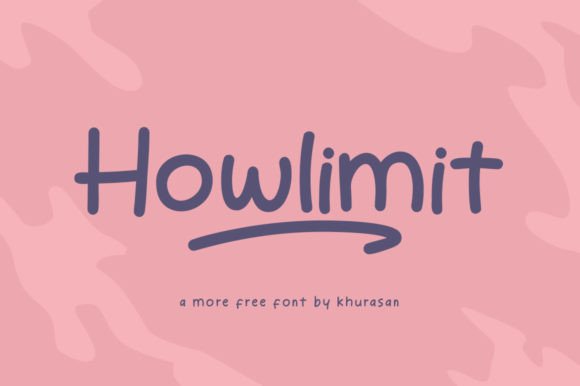
In the landscape of modern graphic design, typography serves as more than just a vehicle for text; it is the primary emotional anchor of a visual composition. For designers, marketers, and content creators, selecting the right typeface is a critical decision that influences brand perception, readability, and overall aesthetic cohesion. Howlimit emerges in this space as a modern and fancy display font, engineered to capture attention without sacrificing sophistication. Unlike standard sans-serif or serif options that blend into the background, Howlimit is designed to stand out, making it an ideal choice for high-impact projects such as posters, logos, magazines, book covers, and banners.
Integrating a distinctive typeface like Howlimit into your creative process requires more than simply downloading and installing the file. It demands a strategic approach to ensure the font enhances rather than overwhelms the design. This article explores how to effectively incorporate Howlimit into various professional workflows, ensuring consistency, quality, and visual impact across diverse media formats.
Understanding the Role of Display Typography in Project Planning
Before initiating any design project, it is essential to define the visual hierarchy. Display fonts are typically reserved for headlines, titles, and short bursts of text where immediate engagement is required. Howlimit fits squarely into this category. Its modern structure and fancy details make it unsuitable for long-form body copy, but exceptionally powerful for introductory elements that need to hook the audience.
When planning a project, consider where Howlimit can serve as the focal point. For instance, in a magazine layout, the cover title benefits from a font with strong personality. Similarly, in branding exercises, a logo derived from Howlimit can convey a sense of contemporary elegance. By identifying these specific use cases early in the planning phase, you can structure the rest of your design assets—such as color palettes, imagery, and secondary typography—to complement rather than compete with the primary typeface.
Pre-Production: Preparation and Compatibility Checks
Successful implementation begins with technical preparation. Before integrating Howlimit into your workflow, verify compatibility with your design software. Most modern design platforms, including Adobe Creative Cloud applications like Photoshop, Illustrator, and InDesign, support OpenType and TrueType font formats seamlessly. However, if you are working within web-based design tools or older legacy systems, ensure that the font files are correctly installed and recognized.
Organization is another critical factor during the pre-production stage. Maintain a structured library of your font assets. Labeling folders clearly and keeping backup copies of licensed font files prevents workflow interruptions later in the project. If you are collaborating with a team, ensure that all members have access to the same version of Howlimit to avoid substitution issues when sharing project files. Consistency in asset management reduces errors and streamlines the handoff between designers, editors, and clients.
Implementation Strategies for Various Media Formats
The versatility of Howlimit allows it to adapt to a wide range of creative outputs. Below are practical strategies for leveraging this font in specific contexts.
Branding and Logo Design
When using Howlimit for logo creation, focus on kerning and spacing. Display fonts often have unique character shapes that may require manual adjustment to ensure visual balance. Experiment with letter spacing to create a custom logotype that feels proprietary to the brand. Since Howlimit has a distinct personality, pair it with a neutral, minimalist secondary font for taglines or contact information. This contrast ensures that the logo remains legible while maintaining its artistic flair.
Print Media: Posters and Book Covers
In print design, scale and resolution are paramount. Howlimit’s intricate details shine when printed at large sizes. For posters, use the font for the main headline, allowing the letters to interact with graphical elements. Consider overlapping text with images or using negative space to create depth. For book covers, the font can evoke the tone of the narrative. A thriller might benefit from tight, aggressive spacing, while a romance novel might suit a more airy, elegant arrangement. Always proofread physical proofs to check for ink spread, which can affect the clarity of fine typographic details.
Digital Banners and Web Headers
While Howlimit is a display font, it can be effectively used in digital environments if optimized correctly. For web banners and social media graphics, ensure that the font size is large enough to be readable on smaller screens. Avoid using thin weights if the background is complex or low-contrast. When exporting for web use, save files in formats that preserve sharpness, such as PNG or SVG, to prevent pixelation. Remember that digital designs must load quickly, so use the font sparingly in HTML/CSS implementations if embedding via web fonts, focusing only on key headers to maintain performance efficiency.
Workflow Integration and Collaboration
Integrating Howlimit into a broader team workflow requires clear communication guidelines. Establish a style guide that specifies when and how the font should be used. Define rules for minimum font sizes, acceptable color combinations, and prohibited modifications. This documentation helps maintain brand integrity, especially when multiple designers or external vendors are involved in creating assets.
During the execution phase, use layer styles and smart objects in design software to non-destructively edit text. This approach allows for quick iterations based on client feedback without compromising the original design structure. If you are working with developers, provide them with the necessary font files and CSS snippets to ensure accurate rendering on live websites. Clear handoff protocols reduce revision cycles and ensure that the final product aligns with the initial creative vision.
Quality Control and Long-Term Usability
Quality control is an ongoing process that extends beyond the initial launch of a project. Regularly audit your designs to ensure that Howlimit is being used consistently across all touchpoints. Check for alignment issues, inconsistent spacing, or unauthorized substitutions. Over time, monitor how the font performs in different contexts. Does it remain legible in low-light conditions? Does it scale well for mobile devices? Gathering data on user engagement and readability can inform future design decisions.
Long-term usability also involves staying updated with font versions and licensing terms. Ensure that your license for Howlimit covers all intended uses, including commercial projects, digital ads, and print runs. Keeping your font library updated ensures access to any bug fixes or additional glyphs that may enhance your design capabilities.
Pairing Howlimit with Complementary Elements
To maximize the impact of Howlimit, consider its relationship with other design elements. A fancy display font pairs best with clean, understated supporting typography. Sans-serif fonts with neutral characteristics often work well as body text, providing a calm backdrop that allows Howlimit to shine. Additionally, pay attention to color theory. High-contrast color schemes can accentuate the font’s details, while monochromatic palettes can create a sophisticated, minimalist look.
- Contrast: Use bold weights of Howlimit against light backgrounds for maximum visibility.
- Whitespace: Allow ample breathing room around the text to prevent visual clutter.
- Hierarchy: Reserve Howlimit for top-level headings to maintain a clear information structure.
- Consistency: Apply the same typographic rules across all marketing materials to reinforce brand recognition.
Conclusion: Elevating Your Creative Output
Howlimit is more than just a typeface; it is a tool for enhancing visual communication. By understanding its strengths and limitations, you can integrate it seamlessly into your design workflow. Whether you are creating a striking poster, a memorable logo, or an engaging digital banner, this modern display font offers the flexibility and style needed to make your projects stand out. Through careful planning, technical preparation, and consistent application, you can leverage Howlimit to elevate your creative ideas and deliver professional, impactful designs that resonate with your audience.
Get this amazing font, and use it to create lovely designs. It can easily be matched to an incredibly large set of projects, so add it to your creative ideas and notice how it makes them stand out. By treating typography as a strategic component of your design process, you ensure that every element serves a purpose, resulting in cohesive and compelling visual narratives.