Shipwest Font: A Versatile Handwritten Script for Elegant Design Projects
Choosing the right typeface is one of the most critical decisions in graphic design, as it sets the tone for the entire visual narrative. For designers and creatives seeking a balance between casual charm and refined elegance, Shipwest presents a compelling option. This bouncy handwritten script font has gained attention for its ability to infuse designs with a personal, human touch without sacrificing readability or style. Whether you are crafting wedding invitations, designing a logo, or creating social media graphics, understanding the nuances of Shipwest can help you determine if it aligns with your specific project goals.
Understanding the Aesthetic of Shipwest
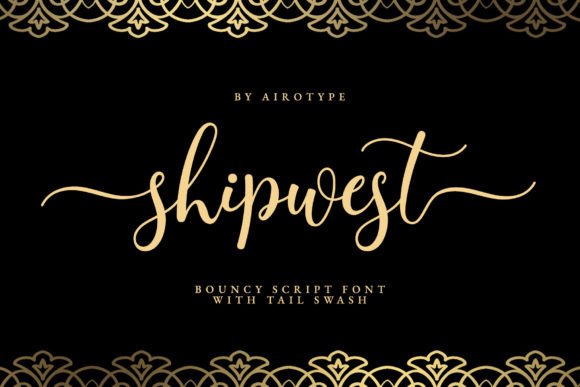
At its core, Shipwest is defined by its fluid, organic strokes that mimic natural handwriting. Unlike rigid serif or sans-serif fonts, this typeface embraces irregularity, offering a "bouncy" rhythm that feels lively and approachable. The term "bouncy" refers to the varying baseline and stroke weights that create a sense of movement across the line of text. This characteristic prevents the font from appearing static or mechanical, making it an excellent choice for projects that require warmth and personality.
The font strikes a delicate balance between being casual and elegant. It avoids the overly messy or illegible traits sometimes found in extreme brush scripts, yet it retains enough flair to feel stylish and modern. This duality allows Shipwest to function effectively in both relaxed contexts, such as greeting cards, and more formal settings, like boutique branding or upscale event stationery.
Ideal Use Cases for Shipwest
When evaluating whether Shipwest is the right fit for your design, consider the medium and the message. The font excels in situations where a handwritten touch is desired to evoke emotion or connection. Below are several scenarios where Shipwest tends to perform exceptionally well:
- Wedding Invitations and Stationery: The elegant curves of Shipwest make it a popular choice for wedding suites. It pairs beautifully with clean sans-serifs for body text, allowing the script to shine on headers, names, and dates.
- Thank You Cards and Greeting Cards: For personal correspondence, the font’s casual nature conveys sincerity and warmth. It mimics the feeling of a handwritten note, enhancing the emotional impact of the message.
- Quotes and Social Media Graphics: In digital marketing, short, impactful quotes often require a font that grabs attention. Shipwest’s stylistic flourishes make it ideal for overlaying on images, ensuring the text stands out while maintaining aesthetic appeal.
- Logos and Branding: Brands in lifestyle, beauty, fashion, or artisanal sectors often seek a logo that feels bespoke and human. Shipwest can serve as a primary logotype for businesses wanting to project approachability and creativity.
- Business Cards: When used sparingly, such as for a name or tagline, Shipwest adds a distinctive flair to business cards, helping them stand out in a stack of standard corporate designs.
Benefits and Design Considerations
One of the primary benefits of using Shipwest is its versatility within the script category. Many handwritten fonts lean too heavily into either informality or formality, limiting their application. Shipwest occupies a middle ground, allowing designers to use it across a broader range of industries. Its legibility is another significant advantage; while it is decorative, the letterforms remain distinct enough to be read quickly, which is crucial for functional design elements like logos or headlines.
However, there are important considerations to keep in mind. As with any script font, context is key. The "bouncy" nature of Shipwest means it requires adequate spacing (kerning and leading) to breathe. Cramping the letters together can reduce legibility and diminish the elegant flow of the script. Designers should experiment with tracking to ensure the connections between letters feel natural and not forced.
Additionally, while Shipwest is stylish, it is not suitable for long bodies of text. Script fonts are generally designed for display purposes—headlines, titles, and short phrases. Using Shipwest for paragraphs or detailed information would strain the reader’s eyes and detract from the user experience. It is best utilized as an accent font, paired with a neutral, highly readable typeface for supporting content.
Tradeoffs and When to Consider Alternatives
While Shipwest offers a unique aesthetic, it may not be the optimal choice for every project. Understanding its limitations helps prevent design missteps. For instance, in corporate environments that prioritize strict professionalism, authority, or tradition, a handwritten script might appear too informal. Industries such as finance, law, or heavy manufacturing often benefit more from structured serif or sans-serif fonts that convey stability and trustworthiness.
Another tradeoff involves accessibility. Although Shipwest is relatively legible for a script font, individuals with visual impairments or dyslexia may find decorative scripts challenging to read. If your design targets a broad demographic including those with accessibility needs, it is crucial to reserve Shipwest for decorative elements only and ensure all essential information is presented in a high-contrast, simple font.
Furthermore, if a project requires a vintage or retro aesthetic, Shipwest’s modern, clean lines might not align with the desired historical vibe. In such cases, designers might explore scripts with more textured brushes, ink splatters, or distressed edges. Conversely, if the goal is ultra-minimalism, even the subtle flourishes of Shipwest might feel too ornate, suggesting a simpler, geometric sans-serif as a better alternative.
Making the Decision: Does Shipwest Fit Your Goals?
To determine if Shipwest is the right choice for your next project, ask yourself three key questions:
- What is the emotional tone? If you aim to convey warmth, creativity, elegance, or personal connection, Shipwest is a strong candidate. If the tone needs to be strictly authoritative or industrial, look elsewhere.
- How much text is involved? If you are designing a headline, logo, or short card message, Shipwest will likely enhance the design. If you need to set large blocks of text, pair it with a complementary body font rather than using it exclusively.
- Who is the audience? Consider whether your target audience appreciates handwritten aesthetics. For lifestyle, creative, and consumer-facing brands, this style often resonates well. For technical or B2B audiences, clarity and convention may take precedence.
Ultimately, Shipwest is a valuable tool in a designer’s toolkit, offering a blend of casual elegance that is hard to find in many other script fonts. By understanding its strengths in creating a human connection and recognizing its limitations regarding length and formality, you can make informed decisions that elevate your design work. Whether used for a delicate wedding invitation or a bold brand logo, Shipwest provides a stylish, handwritten touch that can distinguish your visuals in a crowded marketplace.
When integrating this font into your workflow, always test it in situ. View your designs at different sizes and on various devices to ensure the bouncy characteristics remain clear and appealing. By balancing aesthetic desire with functional readability, you can leverage Shipwest to create designs that are not only visually stunning but also effective in communicating your intended message.